Buy espresso-guide.com ?
We are moving the project
espresso-guide.com .
Are you interested in purchasing the domain
espresso-guide.com ?
domain@kv-gmbh.de · 0541-91531010
Buy espresso-guide.com ?
What is a local cathode?
A local cathode is a cathode that is specifically designed to be used in a particular area or region. It is often used in electroplating or electrolysis processes where a specific area needs to be targeted for deposition or removal of material. Local cathodes are designed to provide precise control and efficiency in the electrochemical processes, and they are tailored to the specific requirements of the application. These cathodes are essential in industries such as automotive, aerospace, and electronics manufacturing, where precise and localized surface treatments are necessary. **
What is the anode and cathode?
In an electrochemical cell, the anode is the electrode where oxidation occurs, meaning it loses electrons. It is the site of electron release into the external circuit. On the other hand, the cathode is the electrode where reduction occurs, meaning it gains electrons. It is the site where electrons are accepted from the external circuit. **

Similar search terms for Cathode
Top-Angebote
Products related to Cathode:
-
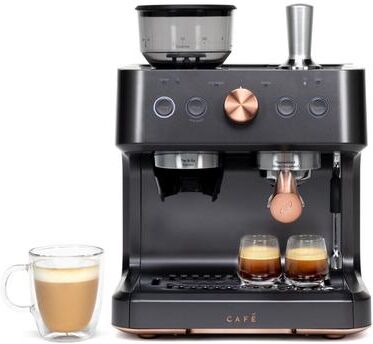
Cafe Café™ BELLISSIMO Semi Automatic Espresso Machine + FrotherFrom grinding your fresh beans to the ideal coarseness to topping your drink with the perfect consistency of foam, the Café Belissimo espresso maker gives you everything you need for delicious coffeehouse drinks at home.579,00 $*Shipping: 0,00 $Secure redirect to the provider
-
Ninja Luxe Café MINI Espresso Machine ES301UK Black/ Stainless Steel Stainless Steel;Black 0LYour café favourites in one compact system: This 2-in-1 espresso and coffee machine features everything you need to grind, brew and froth, with an integrated burr grinder and scale, assisted tamper and stainless steel milk jug. Switch effortlessly between bold espresso and authentic filter coffee, and enjoy coffee shop classics from lattes to cappuccinos. 30% more compact than Ninja Luxe Café Pro: Packed with features, this slim coffee machine includes a 1.3L water reservoir, 250g bean hopper, and easy-to-use control panel with a progress bar. No skills required with Barista Assist Technology: Auto-calibrates grind settings and shot size to deliver the perfect cup for consistently great results, every time. Your microfoam, your way: Use the manual steam wand to create the perfect texture for your drink. Create steamed froth for flat whites, thin froth for lattes, thick froth for cappuccinos, and more. Ninja429,99 £*Shipping: 0,00 £Secure redirect to the provider
-
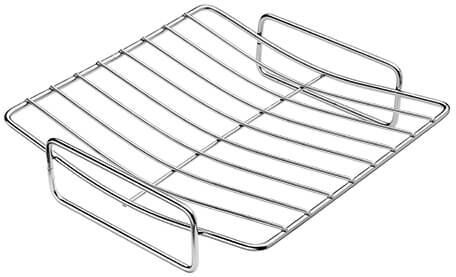
Scanpan TechnIQ Roasting Rack for 28cm Roasting PanDesigned to allow fat to drain away from joints of meat and poultry during cooking, this Scanpan TechnIQ Roasting Rack is designed for use with the Scanpan TechnIQ 28cm Square Roasting Pan. Dimensions: 23.5cm x 23.5cm. The Scanpan TechnIQ 28cm Square Roasting Pan is available to purchase separately, subject to stock.22,50 £*Shipping: 3,50 £Secure redirect to the provider
-
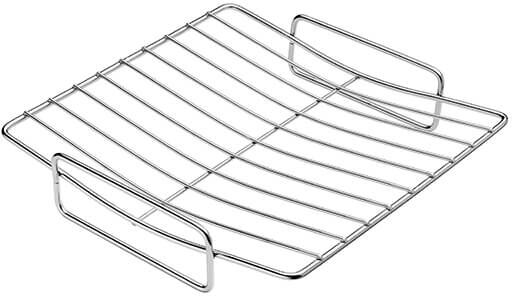
Scanpan TechnIQ Roasting Rack for 33cm Roasting PanDesigned to allow fat to drain away from joints of meat and poultry during cooking, this Scanpan TechnIQ Roasting Rack is designed for use with the Scanpan TechnIQ 33cm Square Roasting Pan. Dimensions: 27cm x 27cm. The Scanpan TechnIQ 33cm Square Roasting Pan is available to purchase separately, subject to stock.24,30 £*Shipping: 3,50 £Secure redirect to the provider

-
What is the anode and the cathode?
In an electrochemical cell, the anode is the electrode where oxidation occurs, meaning it loses electrons. On the other hand, the cathode is the electrode where reduction takes place, meaning it gains electrons. These two processes are essential for the flow of electrons in the cell, creating an electric current. **
-
What happens at the cathode and anode?
At the cathode, reduction occurs, which involves the gain of electrons. This is where positively charged ions in the solution gain electrons and are reduced to form neutral atoms or molecules. At the anode, oxidation occurs, which involves the loss of electrons. This is where negatively charged ions in the solution lose electrons and are oxidized to form neutral atoms or molecules. **
-
How does a cathode ray tube work?
A cathode ray tube (CRT) works by using a heated cathode to emit a stream of electrons. These electrons are then accelerated and focused by an anode, forming a narrow beam. The beam is then directed onto a phosphorescent screen, which emits light when struck by the electrons. By controlling the intensity and position of the electron beam, the CRT can create images on the screen. This technology was commonly used in older television and computer monitors. **
-
Will my cathode ray tube television explode?
No, your cathode ray tube television is not likely to explode. While it is possible for any electronic device to malfunction and potentially cause a fire or explosion, the likelihood of this happening with a cathode ray tube television is extremely low. However, it is always a good idea to properly maintain and monitor your electronic devices to ensure their safety. **


What happened to the cathode ray tube?
The cathode ray tube (CRT) was once the standard display technology for televisions and computer monitors. However, with the advancement of technology, the CRT has been largely replaced by newer display technologies such as liquid crystal displays (LCDs) and light-emitting diodes (LEDs). These newer technologies offer advantages such as thinner profiles, lighter weight, and lower power consumption, leading to the decline in the use of CRTs. As a result, CRTs are now considered outdated and are no longer widely manufactured or used in modern display devices. **
Why do cathode ray tube televisions whistle?
Cathode ray tube (CRT) televisions can whistle due to a phenomenon called "coil whine." This occurs when the electrical currents passing through the components of the TV, such as the transformer or the deflection yoke, cause them to vibrate at a frequency that is audible as a high-pitched whistle. This can be particularly noticeable when the TV is displaying bright images, as the increased electrical activity can exacerbate the whistling sound. While it may be annoying, coil whine is generally harmless and does not affect the functionality of the TV. **
Top-Angebote
Products related to Cathode:
-
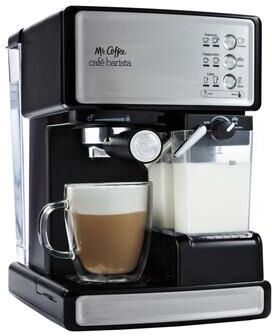
Mr. Coffee® Café BaristaBrew coffeehouse-style drinks just the way you like them right at home. In one simple touch, Mr. Coffee® Café Barista brews espresso coffee with a 15-bar pump system and automatically froths milk into cappuccino and latte selections.239,99 $*Shipping: 0,00 $Secure redirect to the provider
-
Cafe Café™ BELLISSIMO Semi Automatic Espresso Machine + FrotherFrom grinding your fresh beans to the ideal coarseness to topping your drink with the perfect consistency of foam, the Café Belissimo espresso maker gives you everything you need for delicious coffeehouse drinks at home.579,00 $*Shipping: 0,00 $Secure redirect to the provider
-
Ninja Luxe Café MINI Espresso Machine ES301UK Black/ Stainless Steel Stainless Steel;Black 0LYour café favourites in one compact system: This 2-in-1 espresso and coffee machine features everything you need to grind, brew and froth, with an integrated burr grinder and scale, assisted tamper and stainless steel milk jug. Switch effortlessly between bold espresso and authentic filter coffee, and enjoy coffee shop classics from lattes to cappuccinos. 30% more compact than Ninja Luxe Café Pro: Packed with features, this slim coffee machine includes a 1.3L water reservoir, 250g bean hopper, and easy-to-use control panel with a progress bar. No skills required with Barista Assist Technology: Auto-calibrates grind settings and shot size to deliver the perfect cup for consistently great results, every time. Your microfoam, your way: Use the manual steam wand to create the perfect texture for your drink. Create steamed froth for flat whites, thin froth for lattes, thick froth for cappuccinos, and more. Ninja429,99 £*Shipping: 0,00 £Secure redirect to the provider
-
What is a local cathode?
A local cathode is a cathode that is specifically designed to be used in a particular area or region. It is often used in electroplating or electrolysis processes where a specific area needs to be targeted for deposition or removal of material. Local cathodes are designed to provide precise control and efficiency in the electrochemical processes, and they are tailored to the specific requirements of the application. These cathodes are essential in industries such as automotive, aerospace, and electronics manufacturing, where precise and localized surface treatments are necessary. **
-
What is the anode and cathode?
In an electrochemical cell, the anode is the electrode where oxidation occurs, meaning it loses electrons. It is the site of electron release into the external circuit. On the other hand, the cathode is the electrode where reduction occurs, meaning it gains electrons. It is the site where electrons are accepted from the external circuit. **
-
What is the anode and the cathode?
In an electrochemical cell, the anode is the electrode where oxidation occurs, meaning it loses electrons. On the other hand, the cathode is the electrode where reduction takes place, meaning it gains electrons. These two processes are essential for the flow of electrons in the cell, creating an electric current. **
-
What happens at the cathode and anode?
At the cathode, reduction occurs, which involves the gain of electrons. This is where positively charged ions in the solution gain electrons and are reduced to form neutral atoms or molecules. At the anode, oxidation occurs, which involves the loss of electrons. This is where negatively charged ions in the solution lose electrons and are oxidized to form neutral atoms or molecules. **
Similar search terms for Cathode
-
Scanpan TechnIQ Roasting Rack for 28cm Roasting PanDesigned to allow fat to drain away from joints of meat and poultry during cooking, this Scanpan TechnIQ Roasting Rack is designed for use with the Scanpan TechnIQ 28cm Square Roasting Pan. Dimensions: 23.5cm x 23.5cm. The Scanpan TechnIQ 28cm Square Roasting Pan is available to purchase separately, subject to stock.22,50 £*Shipping: 3,50 £Secure redirect to the provider
-
Scanpan TechnIQ Roasting Rack for 33cm Roasting PanDesigned to allow fat to drain away from joints of meat and poultry during cooking, this Scanpan TechnIQ Roasting Rack is designed for use with the Scanpan TechnIQ 33cm Square Roasting Pan. Dimensions: 27cm x 27cm. The Scanpan TechnIQ 33cm Square Roasting Pan is available to purchase separately, subject to stock.24,30 £*Shipping: 3,50 £Secure redirect to the provider
-
Philips Barista Brew Semi-Automatic Espresso Machine with Americano, Dual Bean Hopper & Cappuccino SystemImmerse yourself in the artistry of coffee making with the Philips Barista Brew Espresso Machine. Elevate your home barista journey with intuitive guidance, a 280g dual bean container, and a precision-crafted 58mm stainless steel portafilter.699,99 $*Shipping: 0,00 $Secure redirect to the provider
-
Zodax Café Royale Irish Coffee & Café Liégeois Glasses, Set of 6The Café Royale Irish Coffee & Café Liégeois Glasses are designed for warm beverages and layered desserts, featuring a tall, clear silhouette that highlights presentation while offering a comfortable grip.180,00 $*Shipping: 0,00 $Secure redirect to the provider
-
How does a cathode ray tube work?
A cathode ray tube (CRT) works by using a heated cathode to emit a stream of electrons. These electrons are then accelerated and focused by an anode, forming a narrow beam. The beam is then directed onto a phosphorescent screen, which emits light when struck by the electrons. By controlling the intensity and position of the electron beam, the CRT can create images on the screen. This technology was commonly used in older television and computer monitors. **
-
Will my cathode ray tube television explode?
No, your cathode ray tube television is not likely to explode. While it is possible for any electronic device to malfunction and potentially cause a fire or explosion, the likelihood of this happening with a cathode ray tube television is extremely low. However, it is always a good idea to properly maintain and monitor your electronic devices to ensure their safety. **
-
What happened to the cathode ray tube?
The cathode ray tube (CRT) was once the standard display technology for televisions and computer monitors. However, with the advancement of technology, the CRT has been largely replaced by newer display technologies such as liquid crystal displays (LCDs) and light-emitting diodes (LEDs). These newer technologies offer advantages such as thinner profiles, lighter weight, and lower power consumption, leading to the decline in the use of CRTs. As a result, CRTs are now considered outdated and are no longer widely manufactured or used in modern display devices. **
-
Why do cathode ray tube televisions whistle?
Cathode ray tube (CRT) televisions can whistle due to a phenomenon called "coil whine." This occurs when the electrical currents passing through the components of the TV, such as the transformer or the deflection yoke, cause them to vibrate at a frequency that is audible as a high-pitched whistle. This can be particularly noticeable when the TV is displaying bright images, as the increased electrical activity can exacerbate the whistling sound. While it may be annoying, coil whine is generally harmless and does not affect the functionality of the TV. **
* All prices are inclusive of VAT and, if applicable, plus shipping costs. The offer information is based on the details provided by the respective shop and is updated through automated processes. Real-time updates do not occur, so deviations can occur in individual cases. ** Note: Parts of this content were created by AI.