Buy espresso-guide.com ?
We are moving the project
espresso-guide.com .
Are you interested in purchasing the domain
espresso-guide.com ?
domain@kv-gmbh.de · 0541-91531010
Buy espresso-guide.com ?
Are inhaled pesticides harmful?
Inhaled pesticides can be harmful to human health, as they can irritate the respiratory system and cause symptoms such as coughing, wheezing, and shortness of breath. Long-term exposure to inhaled pesticides can also increase the risk of developing respiratory conditions such as asthma and chronic obstructive pulmonary disease (COPD). Additionally, some pesticides may contain toxic chemicals that can be harmful if inhaled, leading to more serious health effects. It is important to take precautions when using pesticides and to follow safety guidelines to minimize the risk of inhalation exposure. **
Are there tampons without pesticides?
Yes, there are tampons available that are made without the use of pesticides. Many organic tampon brands specifically advertise that their products are made without the use of pesticides, synthetic materials, and chemicals. These tampons are made from organic cotton, which is grown without the use of synthetic pesticides or fertilizers. Choosing organic tampons can be a good option for those looking to reduce their exposure to potentially harmful chemicals. **
Similar search terms for Pesticides
Top-Angebote
Products related to Pesticides:
-
Cafe Café™ BELLISSIMO Semi Automatic Espresso Machine + FrotherFrom grinding your fresh beans to the ideal coarseness to topping your drink with the perfect consistency of foam, the Café Belissimo espresso maker gives you everything you need for delicious coffeehouse drinks at home.579,00 $*Shipping: 0,00 $Secure redirect to the provider
-
Ninja Luxe Café MINI Espresso Machine ES301UK Black/ Stainless Steel Stainless Steel;Black 0LYour café favourites in one compact system: This 2-in-1 espresso and coffee machine features everything you need to grind, brew and froth, with an integrated burr grinder and scale, assisted tamper and stainless steel milk jug. Switch effortlessly between bold espresso and authentic filter coffee, and enjoy coffee shop classics from lattes to cappuccinos. 30% more compact than Ninja Luxe Café Pro: Packed with features, this slim coffee machine includes a 1.3L water reservoir, 250g bean hopper, and easy-to-use control panel with a progress bar. No skills required with Barista Assist Technology: Auto-calibrates grind settings and shot size to deliver the perfect cup for consistently great results, every time. Your microfoam, your way: Use the manual steam wand to create the perfect texture for your drink. Create steamed froth for flat whites, thin froth for lattes, thick froth for cappuccinos, and more. Ninja429,99 £*Shipping: 0,00 £Secure redirect to the provider
-
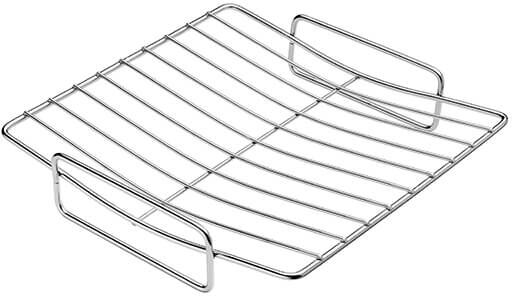
Scanpan TechnIQ Roasting Rack for 28cm Roasting PanDesigned to allow fat to drain away from joints of meat and poultry during cooking, this Scanpan TechnIQ Roasting Rack is designed for use with the Scanpan TechnIQ 28cm Square Roasting Pan. Dimensions: 23.5cm x 23.5cm. The Scanpan TechnIQ 28cm Square Roasting Pan is available to purchase separately, subject to stock.22,50 £*Shipping: 3,50 £Secure redirect to the provider



-
Do pesticides on fruits taste bitter?
Pesticides themselves do not have a taste, but some fruits may taste bitter if they have been treated with certain types of pesticides. This can happen if the pesticides are not properly washed off before the fruit is consumed. Additionally, some people may be more sensitive to the taste of pesticides and may perceive a bitter taste even if the levels are within safe limits. It is important to thoroughly wash fruits before consuming them to reduce the risk of ingesting any pesticide residue. **
-
Do pesticides on fruit taste bitter?
Pesticides themselves do not have a taste, but some fruits may have a bitter taste if they have been treated with certain types of pesticides. This is because some pesticides can leave a residue on the surface of the fruit, which can affect its taste. However, the bitterness of the fruit may also be influenced by other factors such as ripeness and variety. It is important to wash fruits thoroughly before consuming them to remove any pesticide residue. **
-
Can pesticides be avoided in honey?
Pesticides can be avoided in honey through organic beekeeping practices. Organic beekeepers use natural methods to control pests and diseases, such as maintaining strong and healthy hives, using essential oils and natural repellents, and practicing good hive management. By avoiding the use of synthetic pesticides and chemicals in and around the hives, organic beekeepers can produce honey that is free from pesticide residues. Consumers can look for organic honey products to ensure that they are supporting beekeepers who prioritize natural and sustainable practices. **
-
What do pesticides and defoliants mean?
Pesticides are substances used to control or eliminate pests such as insects, weeds, and fungi that can damage crops or spread diseases. They can be synthetic chemicals or natural substances and are used to protect plants and improve agricultural productivity. Defoliants, on the other hand, are chemicals used to strip leaves from plants, often as a means of destroying crops or vegetation. They are sometimes used in warfare to expose enemy positions or in agriculture to facilitate harvesting. Both pesticides and defoliants have potential environmental and health impacts and must be used carefully and responsibly. **

How can one remove pesticides from frozen fruits?
One way to remove pesticides from frozen fruits is to wash them thoroughly under running water. This can help to remove some of the pesticide residue on the surface of the fruits. Another method is to soak the frozen fruits in a solution of water and vinegar, which can help to break down and remove pesticide residues. Additionally, peeling the skin of the fruits can also help to reduce pesticide exposure. It's important to note that while these methods can help reduce pesticide residue, they may not completely eliminate all traces of pesticides. **
When should one always use pesticides before flowering?
One should always use pesticides before flowering when dealing with pests or diseases that are known to cause significant damage during the flowering stage. By applying pesticides before flowering, one can prevent the pests or diseases from establishing a strong presence and causing harm to the plant during this critical stage of growth. Additionally, using pesticides before flowering can help protect the plant's health and ensure a successful flowering period without interference from pests or diseases. It is important to carefully follow the instructions on the pesticide label and consider the specific needs of the plant to determine the best timing for application. **
Top-Angebote
Products related to Pesticides:
-
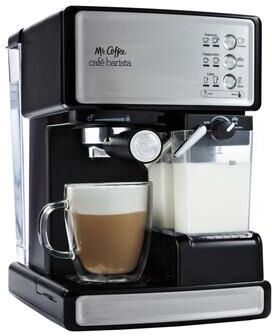
Mr. Coffee® Café BaristaBrew coffeehouse-style drinks just the way you like them right at home. In one simple touch, Mr. Coffee® Café Barista brews espresso coffee with a 15-bar pump system and automatically froths milk into cappuccino and latte selections.239,99 $*Shipping: 0,00 $Secure redirect to the provider
-
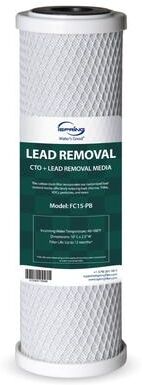
iSpring FC15-PB Certified Water Filter – Removes up to 99% Lead, Reduces Chlorine, THMs, VOCs, Pesticides, and More, SGS-testedSGS-Tested Lead Reduction: The FC15-PB carbon block filter is equipped with specialized lead-removal media, proven to reduce up to 99% of lead for safer, cleaner drinking water.79,99 $*Shipping: 0,00 $Secure redirect to the provider
-
Cafe Café™ BELLISSIMO Semi Automatic Espresso Machine + FrotherFrom grinding your fresh beans to the ideal coarseness to topping your drink with the perfect consistency of foam, the Café Belissimo espresso maker gives you everything you need for delicious coffeehouse drinks at home.579,00 $*Shipping: 0,00 $Secure redirect to the provider
-
Are inhaled pesticides harmful?
Inhaled pesticides can be harmful to human health, as they can irritate the respiratory system and cause symptoms such as coughing, wheezing, and shortness of breath. Long-term exposure to inhaled pesticides can also increase the risk of developing respiratory conditions such as asthma and chronic obstructive pulmonary disease (COPD). Additionally, some pesticides may contain toxic chemicals that can be harmful if inhaled, leading to more serious health effects. It is important to take precautions when using pesticides and to follow safety guidelines to minimize the risk of inhalation exposure. **
-
Are there tampons without pesticides?
Yes, there are tampons available that are made without the use of pesticides. Many organic tampon brands specifically advertise that their products are made without the use of pesticides, synthetic materials, and chemicals. These tampons are made from organic cotton, which is grown without the use of synthetic pesticides or fertilizers. Choosing organic tampons can be a good option for those looking to reduce their exposure to potentially harmful chemicals. **
-
Do pesticides on fruits taste bitter?
Pesticides themselves do not have a taste, but some fruits may taste bitter if they have been treated with certain types of pesticides. This can happen if the pesticides are not properly washed off before the fruit is consumed. Additionally, some people may be more sensitive to the taste of pesticides and may perceive a bitter taste even if the levels are within safe limits. It is important to thoroughly wash fruits before consuming them to reduce the risk of ingesting any pesticide residue. **
-
Do pesticides on fruit taste bitter?
Pesticides themselves do not have a taste, but some fruits may have a bitter taste if they have been treated with certain types of pesticides. This is because some pesticides can leave a residue on the surface of the fruit, which can affect its taste. However, the bitterness of the fruit may also be influenced by other factors such as ripeness and variety. It is important to wash fruits thoroughly before consuming them to remove any pesticide residue. **
Similar search terms for Pesticides
-
Ninja Luxe Café MINI Espresso Machine ES301UK Black/ Stainless Steel Stainless Steel;Black 0LYour café favourites in one compact system: This 2-in-1 espresso and coffee machine features everything you need to grind, brew and froth, with an integrated burr grinder and scale, assisted tamper and stainless steel milk jug. Switch effortlessly between bold espresso and authentic filter coffee, and enjoy coffee shop classics from lattes to cappuccinos. 30% more compact than Ninja Luxe Café Pro: Packed with features, this slim coffee machine includes a 1.3L water reservoir, 250g bean hopper, and easy-to-use control panel with a progress bar. No skills required with Barista Assist Technology: Auto-calibrates grind settings and shot size to deliver the perfect cup for consistently great results, every time. Your microfoam, your way: Use the manual steam wand to create the perfect texture for your drink. Create steamed froth for flat whites, thin froth for lattes, thick froth for cappuccinos, and more. Ninja429,99 £*Shipping: 0,00 £Secure redirect to the provider
-
Scanpan TechnIQ Roasting Rack for 28cm Roasting PanDesigned to allow fat to drain away from joints of meat and poultry during cooking, this Scanpan TechnIQ Roasting Rack is designed for use with the Scanpan TechnIQ 28cm Square Roasting Pan. Dimensions: 23.5cm x 23.5cm. The Scanpan TechnIQ 28cm Square Roasting Pan is available to purchase separately, subject to stock.22,50 £*Shipping: 3,50 £Secure redirect to the provider
-
Scanpan TechnIQ Roasting Rack for 33cm Roasting PanDesigned to allow fat to drain away from joints of meat and poultry during cooking, this Scanpan TechnIQ Roasting Rack is designed for use with the Scanpan TechnIQ 33cm Square Roasting Pan. Dimensions: 27cm x 27cm. The Scanpan TechnIQ 33cm Square Roasting Pan is available to purchase separately, subject to stock.24,30 £*Shipping: 3,50 £Secure redirect to the provider
-
Philips Barista Brew Semi-Automatic Espresso Machine with Americano, Dual Bean Hopper & Cappuccino SystemImmerse yourself in the artistry of coffee making with the Philips Barista Brew Espresso Machine. Elevate your home barista journey with intuitive guidance, a 280g dual bean container, and a precision-crafted 58mm stainless steel portafilter.699,99 $*Shipping: 0,00 $Secure redirect to the provider
-
Can pesticides be avoided in honey?
Pesticides can be avoided in honey through organic beekeeping practices. Organic beekeepers use natural methods to control pests and diseases, such as maintaining strong and healthy hives, using essential oils and natural repellents, and practicing good hive management. By avoiding the use of synthetic pesticides and chemicals in and around the hives, organic beekeepers can produce honey that is free from pesticide residues. Consumers can look for organic honey products to ensure that they are supporting beekeepers who prioritize natural and sustainable practices. **
-
What do pesticides and defoliants mean?
Pesticides are substances used to control or eliminate pests such as insects, weeds, and fungi that can damage crops or spread diseases. They can be synthetic chemicals or natural substances and are used to protect plants and improve agricultural productivity. Defoliants, on the other hand, are chemicals used to strip leaves from plants, often as a means of destroying crops or vegetation. They are sometimes used in warfare to expose enemy positions or in agriculture to facilitate harvesting. Both pesticides and defoliants have potential environmental and health impacts and must be used carefully and responsibly. **
-
How can one remove pesticides from frozen fruits?
One way to remove pesticides from frozen fruits is to wash them thoroughly under running water. This can help to remove some of the pesticide residue on the surface of the fruits. Another method is to soak the frozen fruits in a solution of water and vinegar, which can help to break down and remove pesticide residues. Additionally, peeling the skin of the fruits can also help to reduce pesticide exposure. It's important to note that while these methods can help reduce pesticide residue, they may not completely eliminate all traces of pesticides. **
-
When should one always use pesticides before flowering?
One should always use pesticides before flowering when dealing with pests or diseases that are known to cause significant damage during the flowering stage. By applying pesticides before flowering, one can prevent the pests or diseases from establishing a strong presence and causing harm to the plant during this critical stage of growth. Additionally, using pesticides before flowering can help protect the plant's health and ensure a successful flowering period without interference from pests or diseases. It is important to carefully follow the instructions on the pesticide label and consider the specific needs of the plant to determine the best timing for application. **
* All prices are inclusive of VAT and, if applicable, plus shipping costs. The offer information is based on the details provided by the respective shop and is updated through automated processes. Real-time updates do not occur, so deviations can occur in individual cases. ** Note: Parts of this content were created by AI.