Buy espresso-guide.com ?
We are moving the project
espresso-guide.com .
Are you interested in purchasing the domain
espresso-guide.com ?
domain@kv-gmbh.de · 0541-91531010
Buy espresso-guide.com ?
What are liabilities and receivables?
Liabilities are obligations or debts that a company owes to external parties, such as loans, accounts payable, or accrued expenses. They represent the company's financial responsibilities that must be settled in the future. Receivables, on the other hand, are amounts owed to a company by its customers or other parties for goods or services provided. They represent the company's right to receive payment and are considered assets on the company's balance sheet. Both liabilities and receivables are important components of a company's financial position and are crucial for assessing its overall financial health. **
How are receivables evaluated in accounting?
Receivables are evaluated in accounting by assessing their collectability and determining the likelihood of payment from customers. This involves reviewing the creditworthiness of customers, analyzing historical payment patterns, and considering any potential risks of non-payment. Accounting standards also require companies to estimate and record any potential losses from uncollectible receivables through the use of allowances for doubtful accounts. Overall, the evaluation of receivables in accounting is crucial for accurately reporting a company's financial position and performance. **
Similar search terms for Receivables
Top-Angebote
Products related to Receivables:
-
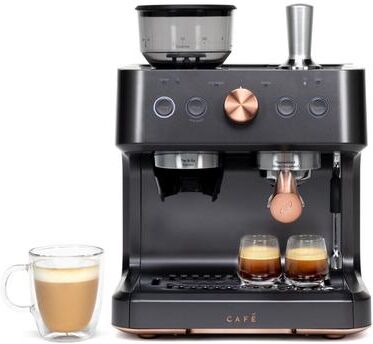
Cafe Café™ BELLISSIMO Semi Automatic Espresso Machine + FrotherFrom grinding your fresh beans to the ideal coarseness to topping your drink with the perfect consistency of foam, the Café Belissimo espresso maker gives you everything you need for delicious coffeehouse drinks at home.579,00 $*Shipping: 0,00 $Secure redirect to the provider
-
Ninja Luxe Café Mini 2-in-1 Espresso and Filter Coffee Machine ES301UKThe Ninja Luxe Café MINI is a compact 2-in-1 coffee machine designed to bring café-style espresso and coffee into your home. It combines grinding, brewing and milk frothing in one convenient system, allowing you to prepare everything from bold espresso to lattes, cappuccinos and filter-style coffee. Barista Assist Technology takes the guesswork out of brewing by automatically recommending the ideal grind size and monitoring the brewing process. With 60 grind size settings, the integrated conical burr grinder provides precise control over how your coffee beans are prepared for each drink. The built-in precision scale provides weight-based dosing for consistent results, while adaptive brewing monitors and adjusts brewing temperature and pressure. You can choose between three coffee strengths and three temperature settings to customise your drink to your preference. A manual steam wand gives you direct control over milk texture, allowing you to create smooth microfoam for a range of drinks. The system is suitable for both dairy and plant-based milk, while the included stainless steel milk jug provides a convenient way to prepare and steam milk. The compact design makes the Luxe Café MINI well suited to kitchens where space is limited. Its 1.3 litre water reservoir and 250 g bean hopper provide useful capacity, while removable dishwasher-safe parts and dedicated cleaning programmes help make everyday maintenance straightforward.366,49 £*Shipping: 0,00 £Secure redirect to the provider
-
Ninja Luxe Café MINI Espresso Machine ES301UK Black/ Stainless Steel Stainless Steel;Black 0LYour café favourites in one compact system: This 2-in-1 espresso and coffee machine features everything you need to grind, brew and froth, with an integrated burr grinder and scale, assisted tamper and stainless steel milk jug. Switch effortlessly between bold espresso and authentic filter coffee, and enjoy coffee shop classics from lattes to cappuccinos. 30% more compact than Ninja Luxe Café Pro: Packed with features, this slim coffee machine includes a 1.3L water reservoir, 250g bean hopper, and easy-to-use control panel with a progress bar. No skills required with Barista Assist Technology: Auto-calibrates grind settings and shot size to deliver the perfect cup for consistently great results, every time. Your microfoam, your way: Use the manual steam wand to create the perfect texture for your drink. Create steamed froth for flat whites, thin froth for lattes, thick froth for cappuccinos, and more. Ninja429,99 £*Shipping: 0,00 £Secure redirect to the provider
-
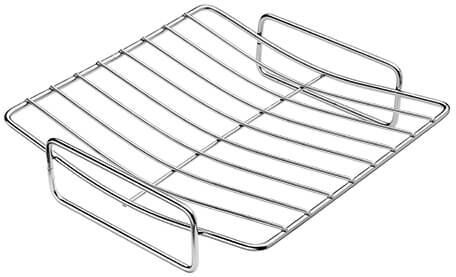
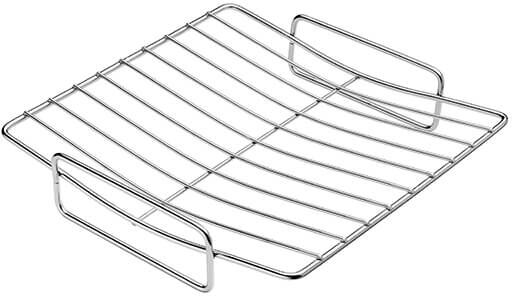
Scanpan TechnIQ Roasting Rack for 28cm Roasting PanDesigned to allow fat to drain away from joints of meat and poultry during cooking, this Scanpan TechnIQ Roasting Rack is designed for use with the Scanpan TechnIQ 28cm Square Roasting Pan. Dimensions: 23.5cm x 23.5cm. The Scanpan TechnIQ 28cm Square Roasting Pan is available to purchase separately, subject to stock.22,50 £*Shipping: 3,50 £Secure redirect to the provider


-
How can accounting, liabilities, and receivables be interconnected?
Accounting, liabilities, and receivables are interconnected in the sense that they all play a role in a company's financial health. Liabilities are debts or obligations that a company owes, which are recorded on the balance sheet as part of the accounting process. Receivables, on the other hand, represent money owed to the company by its customers or clients, and are also recorded on the balance sheet as assets. The relationship between these two is that receivables can eventually become liabilities if they are not collected in a timely manner, which can impact the company's financial position. Therefore, proper accounting practices are essential to accurately track and manage both liabilities and receivables to ensure the company's financial stability. **
-
What is the difference between receivables and liabilities?
Receivables are amounts owed to a company by its customers or other parties for goods or services provided, while liabilities are obligations or debts that a company owes to its creditors or other parties. In other words, receivables represent money that is owed to the company, while liabilities represent money that the company owes to others. Receivables are considered assets on the company's balance sheet, while liabilities are recorded as obligations or debts. **
-
If I sell my receivables to a factoring company as a business, do I still need to evaluate the receivables?
Yes, as a business owner selling your receivables to a factoring company, it is still important to evaluate the quality of your receivables. This is because the factoring company will likely assess the creditworthiness of your customers and the likelihood of them paying their invoices. Additionally, understanding the overall health of your accounts receivable can help you make informed decisions about your cash flow and customer relationships. Therefore, even though you are selling your receivables, it is still important to evaluate them to ensure the best possible outcome for your business. **
-
What are the journal entries for accounts 2400 Receivables and 4400 Liabilities?
The journal entry for accounts 2400 Receivables involves debiting accounts receivable to increase the amount owed by customers and crediting revenue to recognize the income earned. On the other hand, the journal entry for accounts 4400 Liabilities includes debiting liabilities to increase the amount owed by the company and crediting cash or another asset account to reflect the source of the funds. These entries are essential for accurately recording and tracking the financial position of a business. **

What is your question about the debt collection and receivables management of Infoscore?
My question about the debt collection and receivables management of Infoscore is how they ensure compliance with all relevant regulations and laws when pursuing debt collection activities. I am also interested in understanding their approach to maintaining positive customer relationships while collecting outstanding debts. Additionally, I would like to know about their strategies for effectively managing and reducing delinquent accounts to improve overall receivables performance. **
How does the smell of coffee develop when grinding coffee beans and brewing coffee?
When grinding coffee beans, the smell of coffee begins to develop as the beans are broken down and their oils are released. This process intensifies as more surface area is exposed to the air. When brewing coffee, the aroma further develops as hot water extracts the flavors and oils from the ground coffee, creating a rich and complex scent that fills the air. The combination of these two processes results in the familiar and enticing smell of freshly brewed coffee. **
Top-Angebote
Products related to Receivables:
-
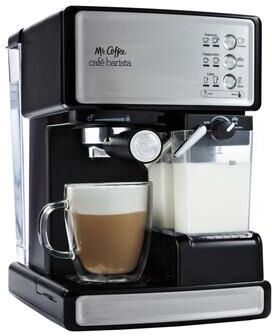
Mr. Coffee® Café BaristaBrew coffeehouse-style drinks just the way you like them right at home. In one simple touch, Mr. Coffee® Café Barista brews espresso coffee with a 15-bar pump system and automatically froths milk into cappuccino and latte selections.239,99 $*Shipping: 0,00 $Secure redirect to the provider
-
Cafe Café™ BELLISSIMO Semi Automatic Espresso Machine + FrotherFrom grinding your fresh beans to the ideal coarseness to topping your drink with the perfect consistency of foam, the Café Belissimo espresso maker gives you everything you need for delicious coffeehouse drinks at home.579,00 $*Shipping: 0,00 $Secure redirect to the provider
-
Ninja Luxe Café Mini 2-in-1 Espresso and Filter Coffee Machine ES301UKThe Ninja Luxe Café MINI is a compact 2-in-1 coffee machine designed to bring café-style espresso and coffee into your home. It combines grinding, brewing and milk frothing in one convenient system, allowing you to prepare everything from bold espresso to lattes, cappuccinos and filter-style coffee. Barista Assist Technology takes the guesswork out of brewing by automatically recommending the ideal grind size and monitoring the brewing process. With 60 grind size settings, the integrated conical burr grinder provides precise control over how your coffee beans are prepared for each drink. The built-in precision scale provides weight-based dosing for consistent results, while adaptive brewing monitors and adjusts brewing temperature and pressure. You can choose between three coffee strengths and three temperature settings to customise your drink to your preference. A manual steam wand gives you direct control over milk texture, allowing you to create smooth microfoam for a range of drinks. The system is suitable for both dairy and plant-based milk, while the included stainless steel milk jug provides a convenient way to prepare and steam milk. The compact design makes the Luxe Café MINI well suited to kitchens where space is limited. Its 1.3 litre water reservoir and 250 g bean hopper provide useful capacity, while removable dishwasher-safe parts and dedicated cleaning programmes help make everyday maintenance straightforward.366,49 £*Shipping: 0,00 £Secure redirect to the provider
-
What are liabilities and receivables?
Liabilities are obligations or debts that a company owes to external parties, such as loans, accounts payable, or accrued expenses. They represent the company's financial responsibilities that must be settled in the future. Receivables, on the other hand, are amounts owed to a company by its customers or other parties for goods or services provided. They represent the company's right to receive payment and are considered assets on the company's balance sheet. Both liabilities and receivables are important components of a company's financial position and are crucial for assessing its overall financial health. **
-
How are receivables evaluated in accounting?
Receivables are evaluated in accounting by assessing their collectability and determining the likelihood of payment from customers. This involves reviewing the creditworthiness of customers, analyzing historical payment patterns, and considering any potential risks of non-payment. Accounting standards also require companies to estimate and record any potential losses from uncollectible receivables through the use of allowances for doubtful accounts. Overall, the evaluation of receivables in accounting is crucial for accurately reporting a company's financial position and performance. **
-
How can accounting, liabilities, and receivables be interconnected?
Accounting, liabilities, and receivables are interconnected in the sense that they all play a role in a company's financial health. Liabilities are debts or obligations that a company owes, which are recorded on the balance sheet as part of the accounting process. Receivables, on the other hand, represent money owed to the company by its customers or clients, and are also recorded on the balance sheet as assets. The relationship between these two is that receivables can eventually become liabilities if they are not collected in a timely manner, which can impact the company's financial position. Therefore, proper accounting practices are essential to accurately track and manage both liabilities and receivables to ensure the company's financial stability. **
-
What is the difference between receivables and liabilities?
Receivables are amounts owed to a company by its customers or other parties for goods or services provided, while liabilities are obligations or debts that a company owes to its creditors or other parties. In other words, receivables represent money that is owed to the company, while liabilities represent money that the company owes to others. Receivables are considered assets on the company's balance sheet, while liabilities are recorded as obligations or debts. **
Similar search terms for Receivables
-
Ninja Luxe Café MINI Espresso Machine ES301UK Black/ Stainless Steel Stainless Steel;Black 0LYour café favourites in one compact system: This 2-in-1 espresso and coffee machine features everything you need to grind, brew and froth, with an integrated burr grinder and scale, assisted tamper and stainless steel milk jug. Switch effortlessly between bold espresso and authentic filter coffee, and enjoy coffee shop classics from lattes to cappuccinos. 30% more compact than Ninja Luxe Café Pro: Packed with features, this slim coffee machine includes a 1.3L water reservoir, 250g bean hopper, and easy-to-use control panel with a progress bar. No skills required with Barista Assist Technology: Auto-calibrates grind settings and shot size to deliver the perfect cup for consistently great results, every time. Your microfoam, your way: Use the manual steam wand to create the perfect texture for your drink. Create steamed froth for flat whites, thin froth for lattes, thick froth for cappuccinos, and more. Ninja429,99 £*Shipping: 0,00 £Secure redirect to the provider
-
Scanpan TechnIQ Roasting Rack for 28cm Roasting PanDesigned to allow fat to drain away from joints of meat and poultry during cooking, this Scanpan TechnIQ Roasting Rack is designed for use with the Scanpan TechnIQ 28cm Square Roasting Pan. Dimensions: 23.5cm x 23.5cm. The Scanpan TechnIQ 28cm Square Roasting Pan is available to purchase separately, subject to stock.22,50 £*Shipping: 3,50 £Secure redirect to the provider
-
Scanpan TechnIQ Roasting Rack for 33cm Roasting PanDesigned to allow fat to drain away from joints of meat and poultry during cooking, this Scanpan TechnIQ Roasting Rack is designed for use with the Scanpan TechnIQ 33cm Square Roasting Pan. Dimensions: 27cm x 27cm. The Scanpan TechnIQ 33cm Square Roasting Pan is available to purchase separately, subject to stock.24,30 £*Shipping: 3,50 £Secure redirect to the provider
-
Philips Barista Brew Semi-Automatic Espresso Machine with Americano, Dual Bean Hopper & Cappuccino SystemImmerse yourself in the artistry of coffee making with the Philips Barista Brew Espresso Machine. Elevate your home barista journey with intuitive guidance, a 280g dual bean container, and a precision-crafted 58mm stainless steel portafilter.699,99 $*Shipping: 0,00 $Secure redirect to the provider
-
If I sell my receivables to a factoring company as a business, do I still need to evaluate the receivables?
Yes, as a business owner selling your receivables to a factoring company, it is still important to evaluate the quality of your receivables. This is because the factoring company will likely assess the creditworthiness of your customers and the likelihood of them paying their invoices. Additionally, understanding the overall health of your accounts receivable can help you make informed decisions about your cash flow and customer relationships. Therefore, even though you are selling your receivables, it is still important to evaluate them to ensure the best possible outcome for your business. **
-
What are the journal entries for accounts 2400 Receivables and 4400 Liabilities?
The journal entry for accounts 2400 Receivables involves debiting accounts receivable to increase the amount owed by customers and crediting revenue to recognize the income earned. On the other hand, the journal entry for accounts 4400 Liabilities includes debiting liabilities to increase the amount owed by the company and crediting cash or another asset account to reflect the source of the funds. These entries are essential for accurately recording and tracking the financial position of a business. **
-
What is your question about the debt collection and receivables management of Infoscore?
My question about the debt collection and receivables management of Infoscore is how they ensure compliance with all relevant regulations and laws when pursuing debt collection activities. I am also interested in understanding their approach to maintaining positive customer relationships while collecting outstanding debts. Additionally, I would like to know about their strategies for effectively managing and reducing delinquent accounts to improve overall receivables performance. **
-
How does the smell of coffee develop when grinding coffee beans and brewing coffee?
When grinding coffee beans, the smell of coffee begins to develop as the beans are broken down and their oils are released. This process intensifies as more surface area is exposed to the air. When brewing coffee, the aroma further develops as hot water extracts the flavors and oils from the ground coffee, creating a rich and complex scent that fills the air. The combination of these two processes results in the familiar and enticing smell of freshly brewed coffee. **
* All prices are inclusive of VAT and, if applicable, plus shipping costs. The offer information is based on the details provided by the respective shop and is updated through automated processes. Real-time updates do not occur, so deviations can occur in individual cases. ** Note: Parts of this content were created by AI.