Buy espresso-guide.com ?
We are moving the project
espresso-guide.com .
Are you interested in purchasing the domain
espresso-guide.com ?
domain@kv-gmbh.de · 0541-91531010
Buy espresso-guide.com ?
Saxon or Swabian?
The choice between Saxon and Swabian ultimately depends on personal preference and individual circumstances. Saxon culture is known for its strong traditions, folk music, and hearty cuisine, while Swabian culture is characterized by its emphasis on order, precision, and efficiency. Both regions have their own unique charm and attractions, so it really comes down to what appeals to you more - the lively spirit of Saxony or the disciplined nature of Swabia. **
What is the Saxon grip?
The Saxon grip is a type of grip used in weightlifting and strength training. It involves gripping the barbell or dumbbell with the palm facing downwards and the thumb wrapped around the bar. This grip is often used for exercises such as deadlifts and shrugs, as it can help improve grip strength and prevent the bar from rolling out of the hands. The Saxon grip is named after strongman Arthur Saxon, who popularized its use in the early 20th century. **
Similar search terms for The-Tile-Life-Saxon
Top-Angebote
Products related to The-Tile-Life-Saxon:
-
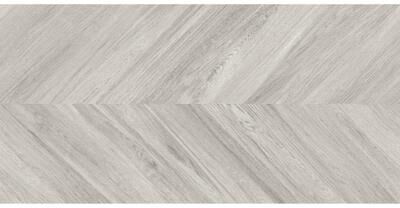
The Tile Life Saxon 24 x 48 Wood Look Chevron Matte Porcelain TileStep into a new era of interior design with the Saxon Collection. Crafted from intricately chevron-patterned porcelain, this tile revitalizes the timeless allure of wood aesthetics.489,99 $*Shipping: 0,00 $Secure redirect to the provider




-
What is Saxon lace?
Saxon lace is a type of needle lace that originated in Saxony, Germany. It is characterized by intricate designs created by looping and twisting threads with a needle to form delicate patterns. Saxon lace is known for its fine craftsmanship and attention to detail, making it a popular choice for creating elegant and intricate lace designs on clothing and accessories. This type of lace is often used in traditional German folk costumes and heirloom pieces. **
-
What are Saxon Thalers?
Saxon Thalers were silver coins minted in the Kingdom of Saxony, a historical state in present-day Germany. They were first issued in the 16th century and were widely used as a form of currency in Europe. The coins were known for their high silver content and were considered valuable in trade and commerce. Saxon Thalers were eventually replaced by other currency systems as Europe modernized its monetary systems. **
-
Is the word or abbreviation Saxon?
The word "Saxon" is not an abbreviation. It refers to the Germanic tribes who inhabited the region of present-day Germany and England during the early Middle Ages. The term "Saxon" is used to describe the people, culture, and language of these tribes. It is not an abbreviation but rather a historical and cultural term. **
-
Do you like the Saxon Switzerland?
As an AI, I don't have personal preferences, but I can tell you that Saxon Switzerland is a beautiful region known for its stunning rock formations, lush forests, and picturesque landscapes. Many people enjoy visiting Saxon Switzerland for its outdoor activities such as hiking, rock climbing, and cycling. The area is also home to charming towns and villages, making it a popular destination for nature lovers and outdoor enthusiasts. **


'How does the Saxon dialect sound?'
The Saxon dialect is characterized by its distinct pronunciation and intonation. It is often described as having a strong, guttural sound with a melodic rhythm. The pronunciation of certain vowels and consonants differs from standard German, giving the dialect a unique and recognizable sound. Overall, the Saxon dialect is known for its rich and expressive tonality. **
Is the Saxon accent always audible?
The Saxon accent is not always audible, as it can vary depending on the individual's speech patterns and the influence of other regional accents. Some people from the Saxon region may have a strong, distinctive accent that is easily recognizable, while others may have a more subtle or diluted version of the accent. Additionally, factors such as education, exposure to other accents, and personal speech habits can also affect the audibility of the Saxon accent. **
Top-Angebote
Products related to The-Tile-Life-Saxon:
-
The Tile Life Saxon 24 x 48 Wood Look Chevron Matte Porcelain TileStep into a new era of interior design with the Saxon Collection. Crafted from intricately chevron-patterned porcelain, this tile revitalizes the timeless allure of wood aesthetics.489,99 $*Shipping: 0,00 $Secure redirect to the provider
-
The Tile Life Saxon 24 x 48 Wood Look Chevron Matte Porcelain TileStep into a new era of interior design with the Saxon Collection. Crafted from intricately chevron-patterned porcelain, this tile revitalizes the timeless allure of wood aesthetics.489,99 $*Shipping: 0,00 $Secure redirect to the provider
-
Saxon or Swabian?
The choice between Saxon and Swabian ultimately depends on personal preference and individual circumstances. Saxon culture is known for its strong traditions, folk music, and hearty cuisine, while Swabian culture is characterized by its emphasis on order, precision, and efficiency. Both regions have their own unique charm and attractions, so it really comes down to what appeals to you more - the lively spirit of Saxony or the disciplined nature of Swabia. **
-
What is the Saxon grip?
The Saxon grip is a type of grip used in weightlifting and strength training. It involves gripping the barbell or dumbbell with the palm facing downwards and the thumb wrapped around the bar. This grip is often used for exercises such as deadlifts and shrugs, as it can help improve grip strength and prevent the bar from rolling out of the hands. The Saxon grip is named after strongman Arthur Saxon, who popularized its use in the early 20th century. **
-
What is Saxon lace?
Saxon lace is a type of needle lace that originated in Saxony, Germany. It is characterized by intricate designs created by looping and twisting threads with a needle to form delicate patterns. Saxon lace is known for its fine craftsmanship and attention to detail, making it a popular choice for creating elegant and intricate lace designs on clothing and accessories. This type of lace is often used in traditional German folk costumes and heirloom pieces. **
-
What are Saxon Thalers?
Saxon Thalers were silver coins minted in the Kingdom of Saxony, a historical state in present-day Germany. They were first issued in the 16th century and were widely used as a form of currency in Europe. The coins were known for their high silver content and were considered valuable in trade and commerce. Saxon Thalers were eventually replaced by other currency systems as Europe modernized its monetary systems. **
Similar search terms for The-Tile-Life-Saxon
-
Is the word or abbreviation Saxon?
The word "Saxon" is not an abbreviation. It refers to the Germanic tribes who inhabited the region of present-day Germany and England during the early Middle Ages. The term "Saxon" is used to describe the people, culture, and language of these tribes. It is not an abbreviation but rather a historical and cultural term. **
-
Do you like the Saxon Switzerland?
As an AI, I don't have personal preferences, but I can tell you that Saxon Switzerland is a beautiful region known for its stunning rock formations, lush forests, and picturesque landscapes. Many people enjoy visiting Saxon Switzerland for its outdoor activities such as hiking, rock climbing, and cycling. The area is also home to charming towns and villages, making it a popular destination for nature lovers and outdoor enthusiasts. **
-
'How does the Saxon dialect sound?'
The Saxon dialect is characterized by its distinct pronunciation and intonation. It is often described as having a strong, guttural sound with a melodic rhythm. The pronunciation of certain vowels and consonants differs from standard German, giving the dialect a unique and recognizable sound. Overall, the Saxon dialect is known for its rich and expressive tonality. **
-
Is the Saxon accent always audible?
The Saxon accent is not always audible, as it can vary depending on the individual's speech patterns and the influence of other regional accents. Some people from the Saxon region may have a strong, distinctive accent that is easily recognizable, while others may have a more subtle or diluted version of the accent. Additionally, factors such as education, exposure to other accents, and personal speech habits can also affect the audibility of the Saxon accent. **
* All prices are inclusive of VAT and, if applicable, plus shipping costs. The offer information is based on the details provided by the respective shop and is updated through automated processes. Real-time updates do not occur, so deviations can occur in individual cases. ** Note: Parts of this content were created by AI.