Buy espresso-guide.com ?
We are moving the project
espresso-guide.com .
Are you interested in purchasing the domain
espresso-guide.com ?
domain@kv-gmbh.de · 0541-91531010
Buy espresso-guide.com ?
What are trophic levels and trophic structures?
Trophic levels refer to the hierarchical levels in an ecosystem through which energy and nutrients flow. They represent the feeding positions of different organisms in a food chain or food web. Trophic structures, on the other hand, describe the organization of these trophic levels within an ecosystem. This includes the distribution of energy and nutrients among different organisms, as well as the interactions and relationships between them. Overall, trophic levels and trophic structures are important concepts for understanding the flow of energy and nutrients in ecosystems and the dynamics of food chains and food webs. **
Are trophic levels and trophic levels the same in biology?
No, trophic levels and trophic levels are not the same in biology. Trophic levels refer to the hierarchical levels in an ecosystem based on an organism's position in the food chain, such as producers, primary consumers, secondary consumers, etc. On the other hand, trophic cascades are the indirect effects that occur when a change in one trophic level impacts other trophic levels in the ecosystem. Both concepts are important in understanding the dynamics of energy flow and interactions within ecosystems. **

Similar search terms for Trophic
Top-Angebote
Products related to Trophic:
-
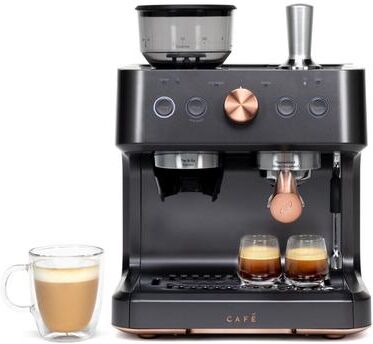
Cafe Café™ BELLISSIMO Semi Automatic Espresso Machine + FrotherFrom grinding your fresh beans to the ideal coarseness to topping your drink with the perfect consistency of foam, the Café Belissimo espresso maker gives you everything you need for delicious coffeehouse drinks at home.579,00 $*Shipping: 0,00 $Secure redirect to the provider
-
Ninja Luxe Café MINI Espresso Machine ES301UK Black/ Stainless Steel Stainless Steel;Black 0LYour café favourites in one compact system: This 2-in-1 espresso and coffee machine features everything you need to grind, brew and froth, with an integrated burr grinder and scale, assisted tamper and stainless steel milk jug. Switch effortlessly between bold espresso and authentic filter coffee, and enjoy coffee shop classics from lattes to cappuccinos. 30% more compact than Ninja Luxe Café Pro: Packed with features, this slim coffee machine includes a 1.3L water reservoir, 250g bean hopper, and easy-to-use control panel with a progress bar. No skills required with Barista Assist Technology: Auto-calibrates grind settings and shot size to deliver the perfect cup for consistently great results, every time. Your microfoam, your way: Use the manual steam wand to create the perfect texture for your drink. Create steamed froth for flat whites, thin froth for lattes, thick froth for cappuccinos, and more. Ninja429,99 £*Shipping: 0,00 £Secure redirect to the provider
-
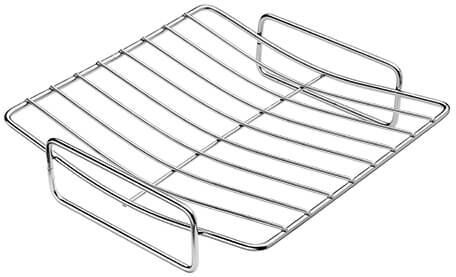
Scanpan TechnIQ Roasting Rack for 28cm Roasting PanDesigned to allow fat to drain away from joints of meat and poultry during cooking, this Scanpan TechnIQ Roasting Rack is designed for use with the Scanpan TechnIQ 28cm Square Roasting Pan. Dimensions: 23.5cm x 23.5cm. The Scanpan TechnIQ 28cm Square Roasting Pan is available to purchase separately, subject to stock.22,50 £*Shipping: 3,50 £Secure redirect to the provider
-
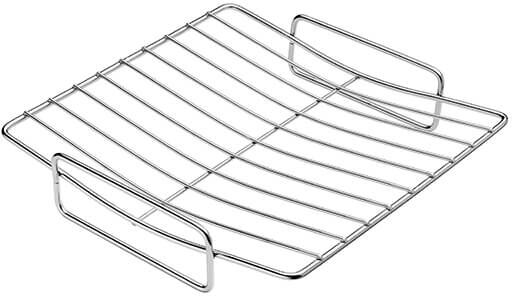
Scanpan TechnIQ Roasting Rack for 33cm Roasting PanDesigned to allow fat to drain away from joints of meat and poultry during cooking, this Scanpan TechnIQ Roasting Rack is designed for use with the Scanpan TechnIQ 33cm Square Roasting Pan. Dimensions: 27cm x 27cm. The Scanpan TechnIQ 33cm Square Roasting Pan is available to purchase separately, subject to stock.24,30 £*Shipping: 3,50 £Secure redirect to the provider

-
Are trophic levels and trophic levels the same thing in biology?
No, "trophic levels" and "trophic levels" are not the same thing in biology. "Trophic levels" refer to the hierarchical levels in an ecosystem based on an organism's position in the food chain, such as producers, primary consumers, secondary consumers, and so on. On the other hand, "trophic levels" appears to be a typographical error or a repetition of the term "trophic levels." In biology, it is important to use accurate and specific terminology to avoid confusion and miscommunication. **
-
Why do organisms become larger from trophic level to trophic level?
Organisms become larger from trophic level to trophic level due to the efficiency of energy transfer in ecosystems. As energy is transferred from one trophic level to the next, there is a loss of energy in the form of heat and metabolic processes. Larger organisms are able to consume more energy-rich food sources and have a more efficient metabolism, allowing them to grow in size as they move up the food chain. Additionally, larger organisms are better equipped to capture and consume prey, giving them a competitive advantage in obtaining energy and resources. **
-
Why do organisms get larger from trophic level to trophic level?
Organisms tend to get larger from one trophic level to the next because as energy is transferred up the food chain, there is a loss of energy at each level. This means that organisms at higher trophic levels need to consume larger quantities of organisms from lower trophic levels to obtain enough energy to sustain themselves. Additionally, larger organisms are more efficient at capturing and consuming prey, allowing them to thrive at higher trophic levels. Finally, larger organisms have a lower surface area to volume ratio, which helps them retain heat and energy more effectively. **
-
Why does the biomass decrease from trophic level to trophic level?
Biomass decreases from trophic level to trophic level because energy is lost as it moves through the food chain. Organisms at each trophic level use some of the energy they consume for their own metabolic processes, such as respiration and movement, and the rest is lost as heat. This means that there is less energy available to be passed on to the next trophic level, resulting in a decrease in biomass. Additionally, not all of the energy from one trophic level is consumed by the next level, as some is lost through waste and uneaten parts of organisms. **

What are trophic levels in biology?
Trophic levels in biology refer to the hierarchical levels in an ecosystem where organisms are grouped based on their feeding relationships. The primary producers, such as plants, are at the base of the trophic levels as they convert sunlight into energy through photosynthesis. Herbivores that feed on plants are at the next level, followed by carnivores that eat herbivores. Each trophic level represents a transfer of energy and nutrients through the ecosystem, with energy decreasing as it moves up the levels. **
What is the trophic level of omnivores?
Omnivores are organisms that consume both plants and animals, so their trophic level can vary. When they consume plants, they are considered primary consumers (herbivores) and when they consume animals, they are considered secondary consumers (carnivores). This means that omnivores can occupy multiple trophic levels within a food web, depending on their diet. **
Top-Angebote
Products related to Trophic:
-
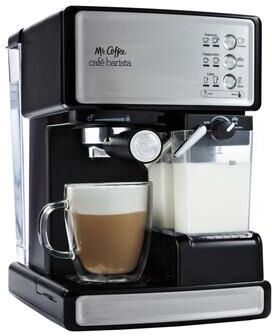
Mr. Coffee® Café BaristaBrew coffeehouse-style drinks just the way you like them right at home. In one simple touch, Mr. Coffee® Café Barista brews espresso coffee with a 15-bar pump system and automatically froths milk into cappuccino and latte selections.239,99 $*Shipping: 0,00 $Secure redirect to the provider
-
Cafe Café™ BELLISSIMO Semi Automatic Espresso Machine + FrotherFrom grinding your fresh beans to the ideal coarseness to topping your drink with the perfect consistency of foam, the Café Belissimo espresso maker gives you everything you need for delicious coffeehouse drinks at home.579,00 $*Shipping: 0,00 $Secure redirect to the provider
-
Ninja Luxe Café MINI Espresso Machine ES301UK Black/ Stainless Steel Stainless Steel;Black 0LYour café favourites in one compact system: This 2-in-1 espresso and coffee machine features everything you need to grind, brew and froth, with an integrated burr grinder and scale, assisted tamper and stainless steel milk jug. Switch effortlessly between bold espresso and authentic filter coffee, and enjoy coffee shop classics from lattes to cappuccinos. 30% more compact than Ninja Luxe Café Pro: Packed with features, this slim coffee machine includes a 1.3L water reservoir, 250g bean hopper, and easy-to-use control panel with a progress bar. No skills required with Barista Assist Technology: Auto-calibrates grind settings and shot size to deliver the perfect cup for consistently great results, every time. Your microfoam, your way: Use the manual steam wand to create the perfect texture for your drink. Create steamed froth for flat whites, thin froth for lattes, thick froth for cappuccinos, and more. Ninja429,99 £*Shipping: 0,00 £Secure redirect to the provider
-
What are trophic levels and trophic structures?
Trophic levels refer to the hierarchical levels in an ecosystem through which energy and nutrients flow. They represent the feeding positions of different organisms in a food chain or food web. Trophic structures, on the other hand, describe the organization of these trophic levels within an ecosystem. This includes the distribution of energy and nutrients among different organisms, as well as the interactions and relationships between them. Overall, trophic levels and trophic structures are important concepts for understanding the flow of energy and nutrients in ecosystems and the dynamics of food chains and food webs. **
-
Are trophic levels and trophic levels the same in biology?
No, trophic levels and trophic levels are not the same in biology. Trophic levels refer to the hierarchical levels in an ecosystem based on an organism's position in the food chain, such as producers, primary consumers, secondary consumers, etc. On the other hand, trophic cascades are the indirect effects that occur when a change in one trophic level impacts other trophic levels in the ecosystem. Both concepts are important in understanding the dynamics of energy flow and interactions within ecosystems. **
-
Are trophic levels and trophic levels the same thing in biology?
No, "trophic levels" and "trophic levels" are not the same thing in biology. "Trophic levels" refer to the hierarchical levels in an ecosystem based on an organism's position in the food chain, such as producers, primary consumers, secondary consumers, and so on. On the other hand, "trophic levels" appears to be a typographical error or a repetition of the term "trophic levels." In biology, it is important to use accurate and specific terminology to avoid confusion and miscommunication. **
-
Why do organisms become larger from trophic level to trophic level?
Organisms become larger from trophic level to trophic level due to the efficiency of energy transfer in ecosystems. As energy is transferred from one trophic level to the next, there is a loss of energy in the form of heat and metabolic processes. Larger organisms are able to consume more energy-rich food sources and have a more efficient metabolism, allowing them to grow in size as they move up the food chain. Additionally, larger organisms are better equipped to capture and consume prey, giving them a competitive advantage in obtaining energy and resources. **
Similar search terms for Trophic
-
Scanpan TechnIQ Roasting Rack for 28cm Roasting PanDesigned to allow fat to drain away from joints of meat and poultry during cooking, this Scanpan TechnIQ Roasting Rack is designed for use with the Scanpan TechnIQ 28cm Square Roasting Pan. Dimensions: 23.5cm x 23.5cm. The Scanpan TechnIQ 28cm Square Roasting Pan is available to purchase separately, subject to stock.22,50 £*Shipping: 3,50 £Secure redirect to the provider
-
Scanpan TechnIQ Roasting Rack for 33cm Roasting PanDesigned to allow fat to drain away from joints of meat and poultry during cooking, this Scanpan TechnIQ Roasting Rack is designed for use with the Scanpan TechnIQ 33cm Square Roasting Pan. Dimensions: 27cm x 27cm. The Scanpan TechnIQ 33cm Square Roasting Pan is available to purchase separately, subject to stock.24,30 £*Shipping: 3,50 £Secure redirect to the provider
-
Philips Barista Brew Semi-Automatic Espresso Machine with Americano, Dual Bean Hopper & Cappuccino SystemImmerse yourself in the artistry of coffee making with the Philips Barista Brew Espresso Machine. Elevate your home barista journey with intuitive guidance, a 280g dual bean container, and a precision-crafted 58mm stainless steel portafilter.699,99 $*Shipping: 0,00 $Secure redirect to the provider
-
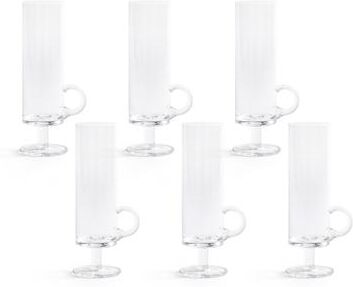
Zodax Café Royale Irish Coffee & Café Liégeois Glasses, Set of 6The Café Royale Irish Coffee & Café Liégeois Glasses are designed for warm beverages and layered desserts, featuring a tall, clear silhouette that highlights presentation while offering a comfortable grip.180,00 $*Shipping: 0,00 $Secure redirect to the provider
-
Why do organisms get larger from trophic level to trophic level?
Organisms tend to get larger from one trophic level to the next because as energy is transferred up the food chain, there is a loss of energy at each level. This means that organisms at higher trophic levels need to consume larger quantities of organisms from lower trophic levels to obtain enough energy to sustain themselves. Additionally, larger organisms are more efficient at capturing and consuming prey, allowing them to thrive at higher trophic levels. Finally, larger organisms have a lower surface area to volume ratio, which helps them retain heat and energy more effectively. **
-
Why does the biomass decrease from trophic level to trophic level?
Biomass decreases from trophic level to trophic level because energy is lost as it moves through the food chain. Organisms at each trophic level use some of the energy they consume for their own metabolic processes, such as respiration and movement, and the rest is lost as heat. This means that there is less energy available to be passed on to the next trophic level, resulting in a decrease in biomass. Additionally, not all of the energy from one trophic level is consumed by the next level, as some is lost through waste and uneaten parts of organisms. **
-
What are trophic levels in biology?
Trophic levels in biology refer to the hierarchical levels in an ecosystem where organisms are grouped based on their feeding relationships. The primary producers, such as plants, are at the base of the trophic levels as they convert sunlight into energy through photosynthesis. Herbivores that feed on plants are at the next level, followed by carnivores that eat herbivores. Each trophic level represents a transfer of energy and nutrients through the ecosystem, with energy decreasing as it moves up the levels. **
-
What is the trophic level of omnivores?
Omnivores are organisms that consume both plants and animals, so their trophic level can vary. When they consume plants, they are considered primary consumers (herbivores) and when they consume animals, they are considered secondary consumers (carnivores). This means that omnivores can occupy multiple trophic levels within a food web, depending on their diet. **
* All prices are inclusive of VAT and, if applicable, plus shipping costs. The offer information is based on the details provided by the respective shop and is updated through automated processes. Real-time updates do not occur, so deviations can occur in individual cases. ** Note: Parts of this content were created by AI.